Choosing Between Classic and Lower-Sugar Dutch Stroopwafels
Dutch stroopwafels have long been a beloved treat, known for their thin, crisp waffle discs held together by a rich caramel syrup filling. Traditionally, these cookies are made with a generous amount of sugar, butter, and syrup, giving them a sweet, chewy center that pairs perfectly with a hot cup of coffee or tea. In recent years, however, a number of lower-sugar versions have appeared on the market, aiming to offer a similar experience with fewer carbohydrates and less sweetness. This article compares the traditional approach with these modern alternatives, helping you decide which one suits your taste and dietary goals.
What Makes a Traditional Stroopwafel
The classic Dutch stroopwafel starts with a dough of flour, butter, yeast, and sugar, pressed into a hot waffle iron to create a thin, lacy disc. After baking, the disc is split horizontally and filled with a warm, sweet syrup made from sugar, butter, and sometimes a hint of cinnamon or vanilla. The filled cookie is then pressed together and allowed to cool, forming a firm, chewy treat that softens slightly when placed over a warm mug. The texture is what sets it apart: a crisp exterior that gives way to a sticky, caramelized center.
This traditional recipe has been part of Dutch cuisine for centuries, originally created by bakers who used leftover crumbs and trimmings to make a simple, sweet snack. Today, it remains a cultural tradition, often sold at markets and served with coffee. The high sugar content is integral to both the flavor and the texture, as the syrup hardens into a chewy layer that is distinct from the waffle itself.
Modern Lower-Sugar Versions
Lower-sugar stroopwafels are a response to growing demand for snacks that fit into reduced-sugar or low-carb diets. Instead of using traditional sugar-based syrup, these versions often rely on sweeteners such as stevia, erythritol, or monk fruit extract to provide sweetness without the calories. The waffle dough itself may be adjusted, replacing some or all of the sugar with fiber-rich ingredients like inulin or oat fiber. This changes not only the nutritional profile but also the texture and mouthfeel.
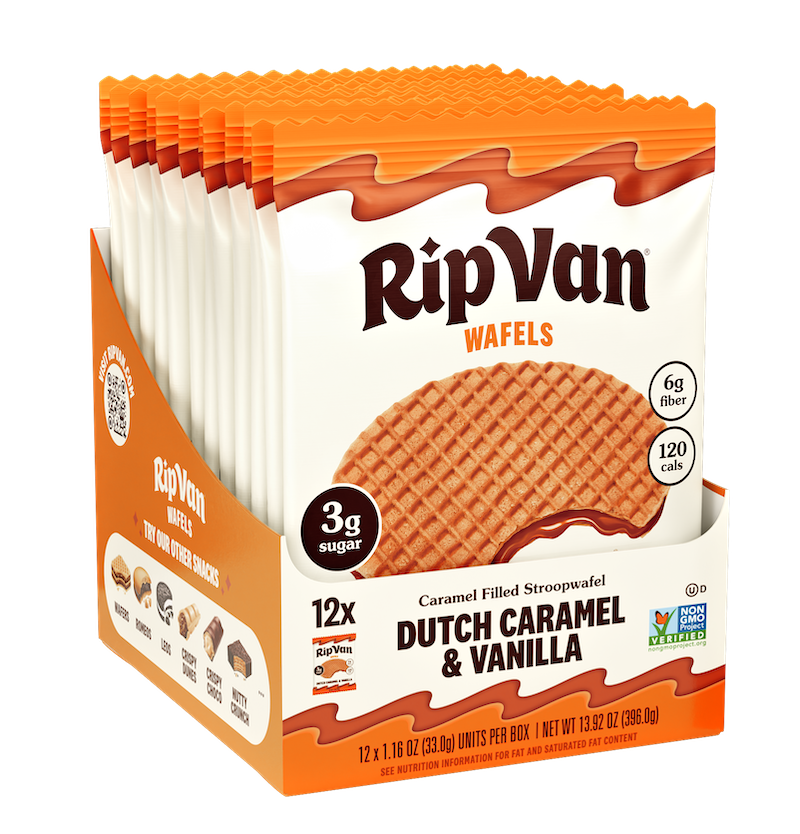
One of the biggest differences is the way the filling behaves. Without sugar, the syrup does not caramelize in the same way, so the center tends to be less sticky and more crumbly. Some manufacturers add extra fat or stabilizers to compensate, but the result is rarely identical to the original. The waffle discs may also be thinner or more brittle because the sugar substitutes do not provide the same structure during baking. As a result, lower-sugar stroopwafels are often described as having a lighter, less dense texture.
Comparing Taste and Texture
Traditional stroopwafels deliver a deep, buttery sweetness with a pronounced caramel flavor. The sugar in the syrup creates a rich, almost smoky note when heated, and the chewy center contrasts nicely with the crisp waffle. For those who enjoy a classic cookie experience, this is hard to beat. The texture is also more forgiving: the cookie softens gradually when warmed, making it ideal for dipping into coffee or tea.
Lower-sugar versions tend to be less sweet overall, which can be a advantage if you find traditional stroopwafels too cloying. The sweetness from alternative sweeteners is often cleaner and less lingering, though some people detect a slight cooling effect or a faint aftertaste. The texture is typically less chewy and more fragile, so these cookies may not hold up as well when placed directly on a hot cup. However, they can still be enjoyed as a standalone snack without the need for warming.
For those who are watching their sugar intake but still want a treat that resembles a traditional Dutch caramel cookie, the lower-sugar versions offer a reasonable compromise. They allow you to enjoy the familiar shape and flavor profile without the same impact on blood sugar. Many people find that they satisfy a sweet craving without triggering an energy crash later.
When Each Option Works Best
The choice between traditional and lower-sugar stroopwafels depends largely on your priorities. If you are looking for an authentic Dutch caramel cookies experience, the original version is the way to go. It pairs beautifully with a hot beverage and provides the full sensory experience that has made these treats popular for generations. This is especially true if you are sharing them with guests who appreciate classic Dutch cuisine or if you are enjoying them as a occasional indulgence.
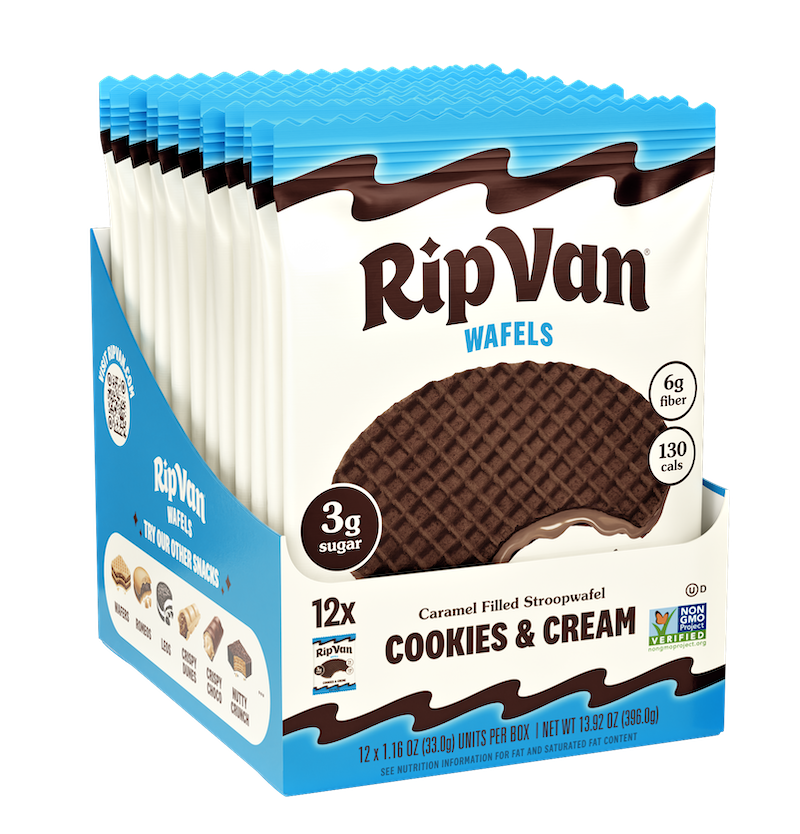
On the other hand, if you follow a low-sugar diet, have diabetes, or simply prefer to reduce your sugar consumption without giving up treats entirely, the lower-sugar versions are a practical choice. They can be incorporated into a meal plan more easily and are often lower in calories as well. They also tend to be more portable, as they are less likely to become sticky or soft at room temperature.
It is worth noting that the texture and flavor differences mean that lower-sugar stroopwafels are not a direct replacement. If you try one expecting the exact same experience, you may be disappointed. Instead, think of them as a different product that shares some visual and structural similarities. Over time, your palate may adjust, and you might come to appreciate the lighter, less cloying profile.
Practical Considerations
When shopping for either type, check the ingredient list carefully. Traditional stroopwafels should list sugar, butter, and syrup as primary ingredients, with no artificial sweeteners. Lower-sugar versions will typically list sugar alcohols or plant-based sweeteners near the top. Some products also add fiber to improve texture and reduce net carbs, which can be beneficial for digestive health.
Storage is another factor. Traditional stroopwafels are best kept in a cool, dry place and should be consumed within a few weeks for optimal freshness. Lower-sugar versions may have a longer shelf life because the sweeteners are less prone to crystallization, but they can become stale faster if not sealed properly. Always check the packaging for recommended storage conditions.
Making Your Own Adjustments
If you enjoy baking, you might consider making your own stroopwafels at home. This gives you full control over the sweetness and texture. You can experiment with different sweeteners, such as allulose or xylitol, and adjust the amount of butter to achieve a desired consistency. Homemade versions also allow you to incorporate spices like cardamom or ginger for a unique twist. While the process requires a special waffle iron, the results can be surprisingly close to the store-bought versions.
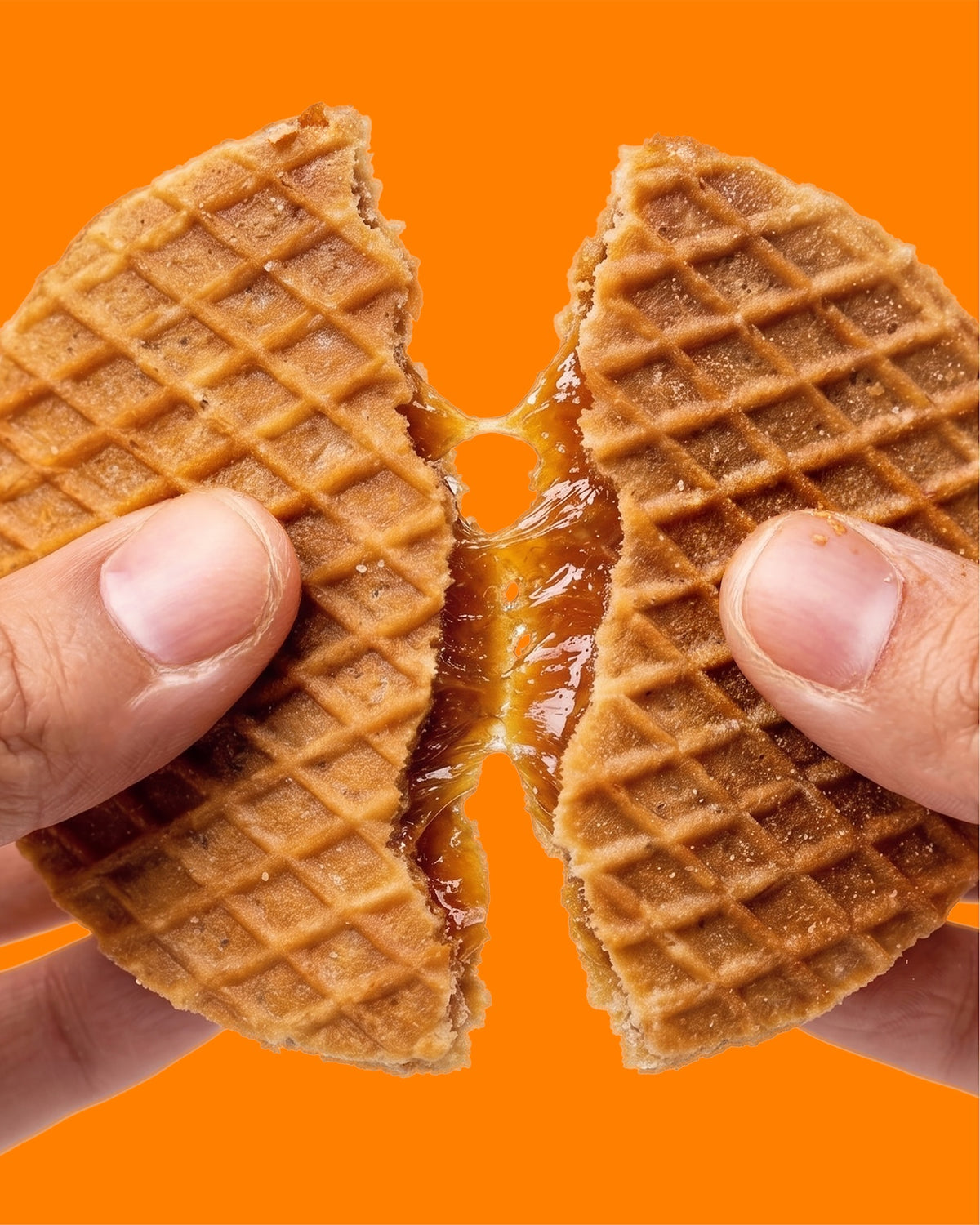
For those who prefer convenience, the market now offers a wide range of options from various brands. You can find both traditional and lower-sugar stroopwafels online or in specialty stores. Reading reviews can give you a sense of which products best capture the intended flavor and texture. Keep in mind that taste is subjective, so what works for one person may not work for another.
Final Thoughts
Both traditional and lower-sugar Dutch stroopwafels have their place in a balanced diet. The original recipe offers a timeless treat that connects you to Dutch culinary heritage, while the modern alternatives cater to changing nutritional priorities. By understanding the differences in ingredients, texture, and usage, you can make an informed choice that aligns with your personal preferences and health goals. Whether you reach for a classic or a lighter version, the simple pleasure of a warm, filled cookie remains a comforting ritual.